Best Roof Waterproofing Coatings: 7 Options Compared
An engineering evaluation of elastomeric acrylic, aromatic polyurethane, liquid rubber, silicone, and bituminized roof coatings for commercial flat and metal roofs.
- Seven Primary Commercial Systems: Elastomeric acrylic, pure polyurethane, silicone, bituminized cold-applied, liquid rubber, 2K cementitious, and traffic-bearing membranes represent the major roof coating technologies.
- Three Core Engineering Drivers: System selection is dictated by anticipated structural movement, prolonged UV/thermal exposure, and mechanical foot or equipment loading.
- Over-Membrane Direct Application: Sound existing bituminous sheet membranes and single-ply roofs can frequently be recoated without costly tear-off, saving up to 50% in demolition labor.
- Metal Roof Priming Mandate: Metal decks require specialized anti-corrosion chemical priming prior to waterborne elastomeric or MS coating application.
- Realistic Cost Modeling: Roof waterproofing expenditures must be calculated by target dry film thickness (DFT) and consumption per m2, never by gross pail count.
Which is the best roof waterproofing coating for flat roofs?
Commercial flat roofs present severe waterproofing challenges: zero drainage fall often leads to permanent ponding water, while large concrete slab spans undergo severe thermal expansion and contraction cycles. Sheet membranes frequently fail at overlap seams after 5 to 7 years. Seamless liquid-applied coatings eliminate seam failure points entirely by curing into a continuous monolithic elastomeric skin.
How do elastomeric and polyurethane roof coatings compare?
When specifying the best waterproof roof coating system, contractors evaluate tensile strength against ultraviolet solar degradation. The table below outlines the core chemical parameters between these two industry-leading technologies:
| Performance Parameter | CHEMPU WA-100 (Elastomeric Acrylic) | CHEMPU WP-001 (Pure Polyurethane) | Standard R-Bitumen |
|---|---|---|---|
| Polymer Chemistry | High-solids acrylic copolymer | 1K moisture-cured aromatic PU | SBS modified asphalt |
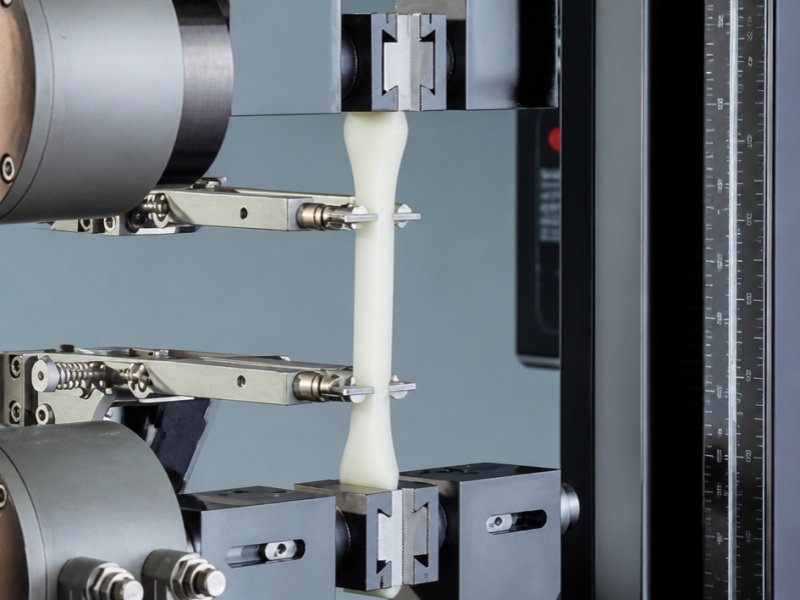
| Tensile Elongation (ASTM D412) | >300% (High elasticity) | >1000% (Extreme flexibility) | <150% |
| Ponding Water Resistance | Good (Slope >1:100 required) | Immersion-rated (Zero degradation) | Moderate to poor |
| UV Reflectance (Solar Reflective) | SRI >104 (Cool roof certified) | Requires aliphatic UV topcoat | Black (Heat absorbing) |
| VOC & Solvent Content | Waterborne, low VOC (<20 g/L) | Solvent-bearing / low solvent | High VOC |
| Ideal Roof Substrates | Metal roofs, sloped concrete, parapets | Flat commercial concrete, buried roofs | Temporary industrial reroofs |
What is the best coating for a metal roof?
Metal roofs undergo aggressive thermal cycling (‘oil-canning’), which shears brittle roof paints and tears standard silicone caulks. A successful metal roof refurbishment requires sealing every mechanical screw head with an elastomeric mastic, taping lateral standing seams with polyester mesh, and applying a reflective CHEMPU roof coating range to deflect solar heat load.
How long do roof coatings last before recoating?
Unlike sheet membranes that necessitate total tear-off upon failure, liquid elastomeric coatings are renewable: at the end of their design life cycle, the surface simply requires pressure washing and a single freshening recoat, extending system performance indefinitely.
Can roof coating be applied over an existing membrane?
Tearing off existing roof membranes generates hazardous landfill disposal fees and leaves building interiors vulnerable to sudden storm damage during construction. Direct coating creates a seamless encapsulation layer over old seams. If the roof exhibits dynamic slab movement, specify PU roof coating options with elongation exceeding 800%.
How much does roof waterproofing coating cost per m2?
Estimators must account for substrate roughness and porosity when calculating wet-on-dry material consumption:
| Roof Coating System | Material Wholesale Cost / m² | Primer & Seam Fabric / m² | Total Material Cost / m² | Expected Service Life |
|---|---|---|---|---|
| Elastomeric Acrylic (WA-100, 1.0mm DFT) | $2.80 – $4.20 | $0.80 – $1.20 | $3.60 – $5.40 | 8 – 12 Years |
| Pure Polyurethane (WP-001, 1.5mm DFT) | $5.50 – $8.20 | $1.20 – $1.80 | $6.70 – $10.00 | 12 – 15+ Years |
| Silicone Roof Coating (1.0mm DFT) | $6.50 – $9.50 | $1.00 – $1.50 | $7.50 – $11.00 | 10 – 15 Years |
| Traditional Bitumen Sheet Tear-Off + Reroof | $12.00 – $18.00 (Installed) | $4.00 (Disposal) | $16.00 – $22.00+ | 7 – 10 Years |
What is the best season to coat a roof?
Applying moisture-cured polyurethane coatings in sub-5°C weather drastically slows chemical curing, while waterborne acrylic coatings cannot dry if dew falls within 4 to 6 hours of application. Early summer and autumn generally provide ideal construction windows.
How thick should a roof coating system be?
Achieving target DFT necessitates two to three cross-directional passes. A single thick pass leads to surface mud-cracking or trapped solvent blistering. Always use wet film thickness (WFT) comb gauges during installation.
Why do roof coatings fail and how to prevent it?
To safeguard commercial investments, the failure diagnostic matrix below details root causes and preventive SOPs:
| Failure Mode | Root Mechanism | Diagnostic Indicator | Engineering Prevention SOP |
|---|---|---|---|
| Blistering / Bubbles | Trapped moisture beneath impermeable film expanding under solar heat | Hollow blisters appearing in midday sun | Verify concrete moisture <8%; install roof vapor breather vents. |
| Intercoat Delamination | Exceeded recoat window or dust contamination between passes | Second coat peeling cleanly from base coat | Apply second coat within 24h; solvent-wipe aged coats before recoating. |
| Lap Seam Splitting | Differential thermal expansion tearing unsupported liquid film | Longitudinal cracking along metal or bitumen laps | Embed 100g/m² stitch-bonded polyester reinforcing fabric across all seams. |
| Micro-Pinholing | Air outgassing from porous unsealed concrete slab | Tiny microscopic pinholes visible with 10x magnifier | Apply high-solids penetrating primer to consolidate and seal open pores. |
| UV Yellowing / Chalking | Aromatic polymer chain scission under high solar irradiance | Surface powdering and loss of tensile elasticity | Apply an aliphatic acrylic or MS polymer UV protective topcoat. |
Which coating works for high-traffic roofs?
Standard roof coatings are soft and elastomeric; heavy foot traffic, HVAC maintenance tool drops, and rolling carts will puncture an unreinforced membrane. High-traffic zones require a tough intermediate wearing course capable of resisting point loads.
Frequently Asked Questions
Bright white reflective roof coatings deliver a Solar Reflectance Index (SRI) exceeding 100, reflecting up to 88% of solar radiation and reducing building cooling energy costs by up to 25%.
While small residential repair patches can be handled with roller kits, commercial reroofing projects exceeding 200m² mandate commercial airless spray equipment and certified contractor detailing.
Yes. High-tensile polyurethane and elastomeric acrylic membranes retain flexibility down to -25°C, expanding and contracting beneath heavy snow and freeze-thaw cycles without fracturing.
Commercial roofs should undergo biannual inspections (spring and autumn) plus immediate post-storm audits to clear blocked drainage scuppers and check perimeter flashings.
CHEMPU WA-100 waterborne elastomeric coating contains less than 20 g/L VOC, meeting stringent international LEED and California SCAQMD air quality standards.
Yes. CHEMPU supplies complimentary 2kg liquid samples and cured tensile test sheets for architectural firms, testing laboratories, and general contractors.
Standard pails (20kg) and 230kg drums are manufactured and dispatched within 5 to 7 business days from our ISO 9001 certified chemical manufacturing facility.
CHEMPU provides 10-year and 15-year commercial material performance warranties when installed by approved contractors in compliance with our technical data sheet (TDS).
- ASTM D412: Standard Test Methods for Vulcanized Rubber and Thermoplastic Elastomers—Tension.
- ASTM G154: Standard Practice for Operating Fluorescent Light Apparatus for UV Exposure of Nonmetallic Materials.
- ASTM C836 / C836M: Standard Specification for High Solids Content Cold Liquid-Applied Elastomeric Waterproofing Membrane.
- ISO 2808: Paints and varnishes — Determination of film thickness.