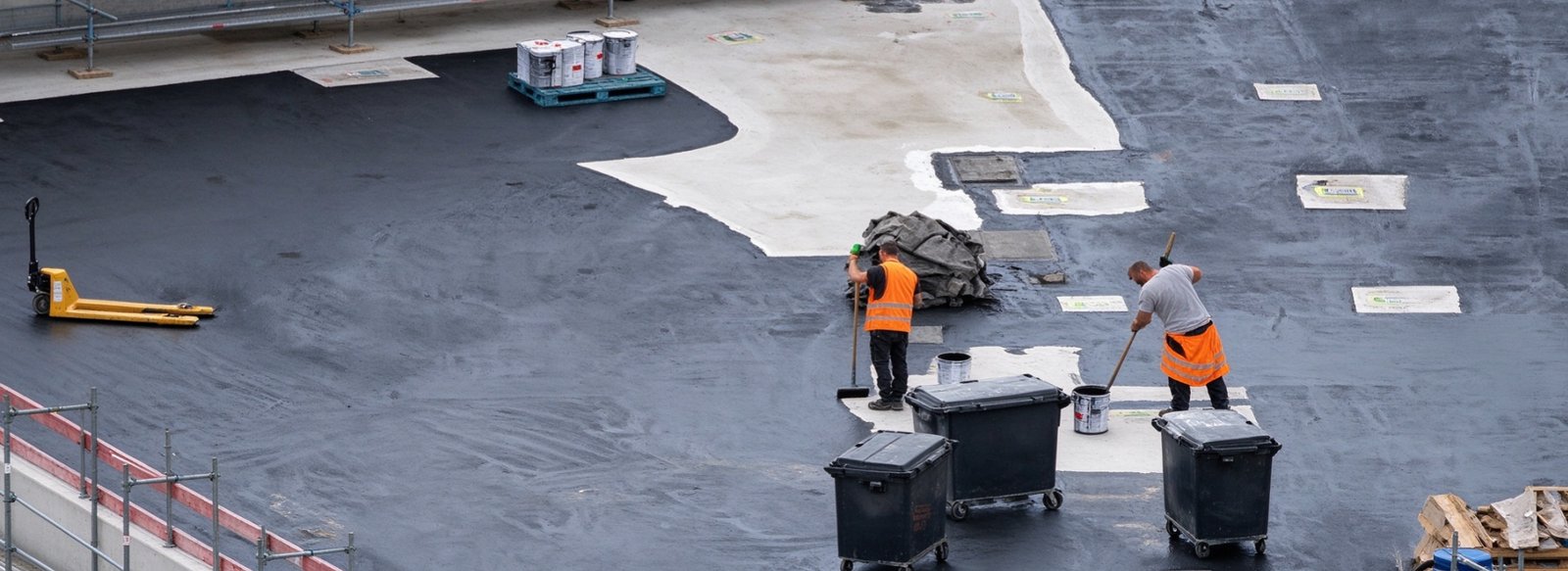
Best Waterproof Deck Coatings: Top Options Compared
An engineering evaluation of polyurethane, acrylic elastomeric, and rubber deck waterproofing systems for wood balconies, parking decks, and pool plazas.
- Three Core Deck Coating Families: Polyurethane (traffic-bearing), elastomeric acrylic (pedestrian/breathable), and rubberized bitumen represent the three dominant deck chemistries.
- Slip Resistance is a Life-Safety Standard: Exterior deck coatings must integrate graded quartz or bauxite aggregates to achieve a Wet Pendulum Test value (PTV >36 / ANSI A137.1).
- Plywood Substrate Moisture Control: Exterior plywood balconies must have moisture levels verified (<12%) and tongue-and-groove joints elastomeric-sealed to prevent delamination.
- UV-Stable Topcoats Prevent Fading: Aromatic base membranes must be sealed with aliphatic polyurethane topcoats to resist high solar radiation without chalking.
- Restoration Over Full Deck Replacement: Coating restoration preserves structural subfloors, eliminating expensive deck board demolition and operational facility shutdowns.
What is the best waterproof deck coating for wood decks?
Wood and plywood decks undergo severe dimensional fluctuations in response to humidity and temperature shifts. Brittle acrylic deck stains crack along plywood joints within 12 months. An elastomeric liquid membrane bridges dynamic panel movements while sealing nail heads and screw penetrations.
Polyurethane versus rubber deck coating: which is more durable?
The comparison table below details durability metrics for exterior deck systems:
| Property | CHEMPU XYT-P101 (Polyurethane Deck) | Liquid Rubber Deck Coating | Acrylic Walkway Paint |
|---|---|---|---|
| Abrasion Resistance (Taber CS-17) | <40 mg loss (Heavy duty) | >120 mg loss (Soft) | >200 mg loss (Rapid wear) |
| Tensile Strength (ASTM D412) | >7.0 MPa | >1.5 MPa | >2.0 MPa |
| UV Color Retention | Excellent (Aliphatic UV topcoat) | Prone to solar oxidation | Good UV resistance |
| Ponding Water Resistance | Continuous immersion rated | Moderate | Poor (Softens and peels) |
| Pedestrian / Vehicular Rating | Heavy pedestrian & vehicular | Light pedestrian only | Light pedestrian only |
How to coat a plywood deck without delamination?
Plywood edges swell when exposed to moisture vapor from beneath. Fastening panels with a 3mm expansion gap, sealing joints with elastomeric mastic, and ensuring adequate soffit ventilation underneath are vital engineering prerequisites.
What slip resistance does a deck coating need?
Wet decks pose serious slip-and-fall liability for commercial hotels, multi-family residences, and office plazas. We broadcast kiln-dried bauxite or spherical quartz sand (0.3mm to 0.6mm) into the wet intermediate coating pass.
How much does deck coating cost per m2?
Examine the CHEMPU deck coating range for commercial estimator packages tailored for contractor bidding.
Can deck coating be applied in cool weather?
Never apply deck coatings over frost or morning condensation, as moisture traps will cause micro-blistering and adhesion failure.
How long before a coated deck is walkable?
Allowing premature traffic before the polymer matrix has achieved 90% cross-linking causes permanent scuffing and dislodges aggregate particles.
Why do deck coatings peel and how do you fix it?
To remediate peeling, mechanically scrape loose areas, sand the wood back to clean bare grain, seal joints with polyurethane sealant, prime with a high-solids primer, and recoat with an elastomeric membrane.
Frequently Asked Questions
Standard colors include Slate Gray, Light Gray, Desert Sand, Tile Red, and Forest Green. Custom RAL color matching is supported for commercial volumes exceeding 2,000 kg.
No. Solid and semi-transparent oil or acrylic deck stains prevent deep chemical penetration; wood must be sanded back to raw porous lumber prior to coating.
Yes. Our textured pedestrian topcoats provide an aggressive non-slip surface safe for bare feet around pools and high-traffic wet public corridors.
With elongation exceeding 600% and cold-flexibility down to -30°C, CHEMPU polyurethane deck systems withstand harsh freeze-thaw expansion without cracking.
Yes. We ship textured cured swatch samples and 2kg liquid evaluation pails directly to commercial contractors and architects.
Standard production lead time is 5 to 7 business days from receipt of purchase order at our manufacturing plant.
We provide a 10-year manufacturer product warranty for pedestrian systems and a 5-year heavy vehicular traffic warranty.
Yes. We supply pre-graded, kiln-dried quartz and calcined bauxite aggregate matched precisely to our liquid coating viscosity.
- ASTM C957: Standard Specification for High-Solids Content, Cold Liquid-Applied Elastomeric Waterproofing Membrane with Integral Wearing Surface.
- ASTM D412: Vulcanized Rubber and Thermoplastic Elastomers—Tension.
- ANSI A137.1 / A326.3: Standard Test Method for Measuring Dynamic Coefficient of Friction of Hard Surface Flooring Materials.
- BS 7976-2: Pendulum testers — Method of operation for slip resistance.