Is Polyurethane Waterproof? Material Properties & Uses
An authoritative engineering analysis of polyurethane moisture-curing kinetics, tensile elongation, UV stability, and substrate bonding capabilities.
- Unequivocal Technical Answer: Fully cured polyurethane is completely waterproof. Its dense, cross-linked thermosetting polymer network possesses zero water-permeable capillaries.
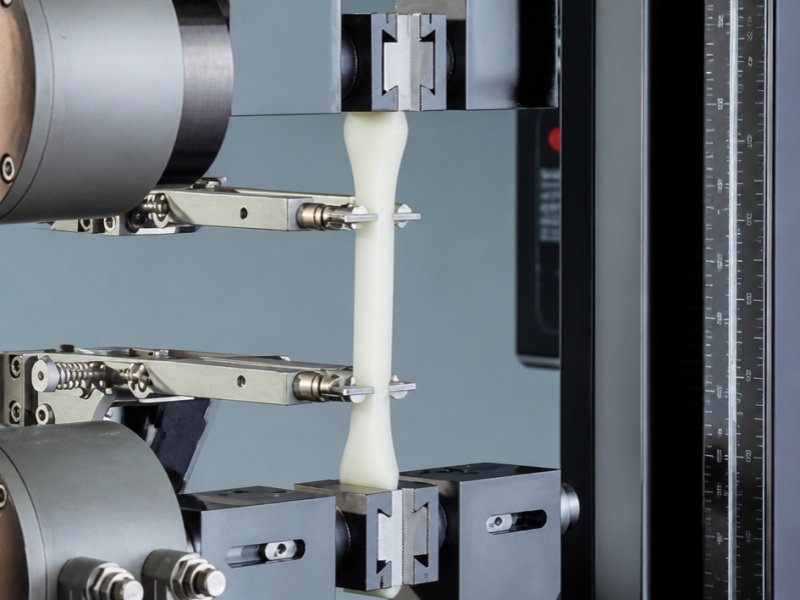
- Dual Formulation Profiles: Commercial PU can be formulated for extreme elasticity (elongation >1000% in WP-001) or high mechanical tensile strength (6.0 to 7.0 MPa in XYT-P002).
- The Inherent UV Limitation: Aromatic polyurethane base coats will yellow and chalk under direct sunlight; exposed outdoor applications mandate an aliphatic UV protective topcoat.
- Substrate Preparation Governs 80% of Performance: Moisture in wet concrete slabs (>8%) triggers blister outgassing; proper epoxy priming is essential for reliable bonding.
- Single-Component Reliability: Factory pre-blended 1K moisture-cured polyurethanes eliminate on-site mixing ratio errors and premature pot-life gelation.
Is polyurethane waterproof?
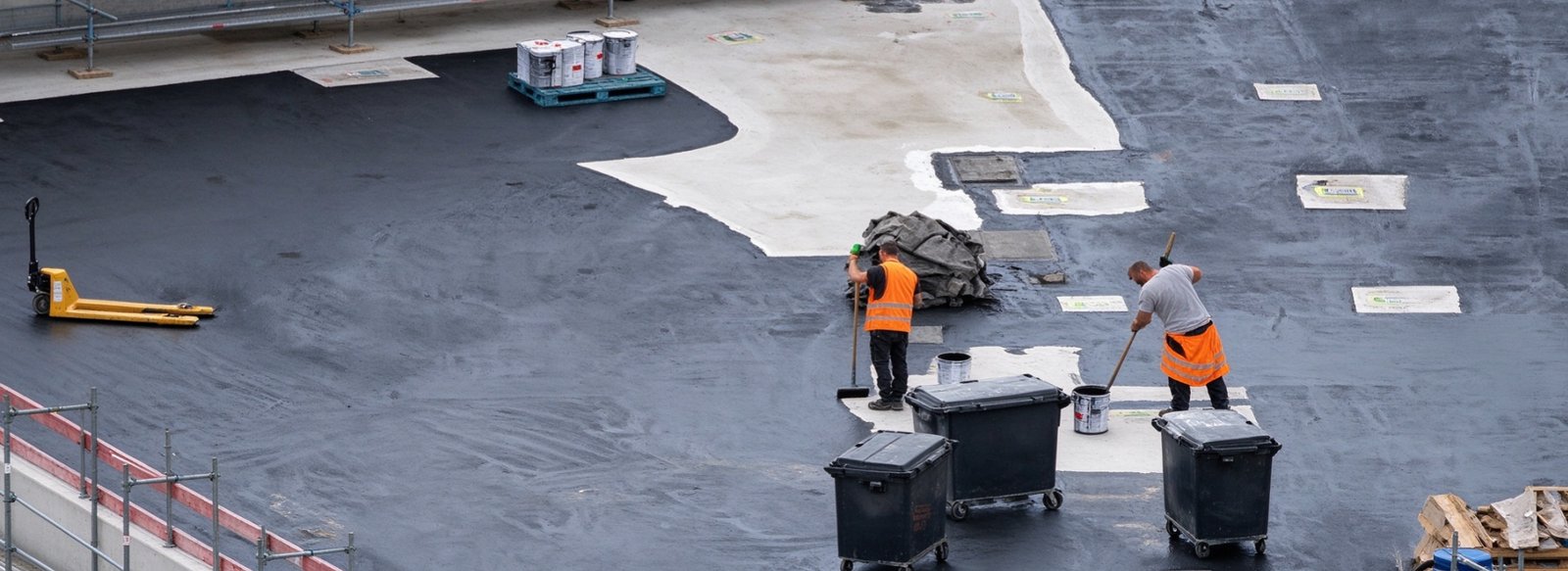
From high-demand commercial building envelopes to subterranean civil engineering, polyurethane chemistry represents the premier barrier polymer. Unlike waterborne coatings that can re-emulsify when submerged under continuous standing water, cross-linked polyurethane remains completely inert and water-insoluble.
How does polyurethane cure into a waterproof film?
This reaction produces a three-dimensional molecular lattice with high tensile toughness and rubber elasticity. Because ambient humidity drives the curing process, polyurethane cures reliably without requiring chemical hardener additives or baking ovens.
Which is better: PU coating or PU membrane?
Specifiers must ensure they do not confuse thin decorative polyurethane wood or floor varnishes with industrial cold liquid-applied waterproofing membranes. Examine the WP-001 high-elongation PU membrane specifications to understand heavy-duty elastomeric formulations.
Is polyurethane UV stable outdoors?
Aromatic isocyanates contain benzene rings that absorb ultraviolet radiation, leading to photo-oxidative degradation of the surface layer. Aliphatic polyurethanes contain linear carbon chains that remain unaffected by sunlight, maintaining gloss and color indefinitely.
What substrates does PU bond to without primer?
The substrate adhesion matrix below outlines recommended primer protocols across common commercial building materials:
| Substrate Material | Adhesion Mechanism | Primer Recommendation | Key Surface Preparation Protocol |
|---|---|---|---|
| Sound Dry Concrete (<8% moisture) | Deep chemical & mechanical key | 1K Polyurethane penetrating primer | Shot-blast or diamond grind to ICRI CSP 2-3. |
| Damp Concrete (>8% moisture) | Risk of vapor outgassing blisters | 2K Waterborne epoxy moisture-blocker | Apply moisture barrier primer; broadcast quartz sand. |
| Galvanized Steel / Corrugated Metal | Direct adhesion to clean metal profile | Anti-corrosion epoxy metal primer | Degrease with solvent; sand to remove loose oxidation. |
| Weathered Bituminous Felt / EPDM | Fusion bond to oxidized bitumen | Quick-dry polyurethane tack primer | Pressure wash moss; patch and torch all open lap seams. |
| Plywood / OSB Sheathing | Deep polymer absorption into grain | High-solids polyurethane timber primer | Ensure wood moisture <12%; seal joints with PU mastic. |
How thick should a PU waterproofing layer be?
Applying too thin of a layer impairs crack-bridging performance, while attempting to apply 2.0mm in a single wet pass risks trapping carbon dioxide gas and solvent vapors. Multi-pass application is essential.
PU versus epoxy for waterproofing: which to choose?
Epoxy excels in compressive hardness and chemical tank lining, but building envelopes expand and contract constantly. Rigid epoxy cracks along concrete shrinkage joints, breaching the waterproofing envelope immediately. Learn more about polyurethane waterproof coating options from CHEMPU.
Why do PU coatings blister on damp substrates?
Always verify concrete moisture with a calibrated impedance meter or calcium chloride test (ASTM F1869) prior to application.
Frequently Asked Questions
Yes. CHEMPU WP-001 is a ready-to-use 1K moisture-curing polyurethane requiring zero on-site measuring or mixing.
In original hermetically sealed pails stored in a cool, dry warehouse (10°C to 25°C), the shelf life is 12 months.
Yes, provided a flexible elastomeric acrylic coating or matching polyurethane topcoat is used. Hard brittle enamels must be avoided.
Light pedestrian foot traffic is permitted after 24 hours at 25°C, with full mechanical cure achieved after 48 to 72 hours.
Factory-direct material costs range from $5.20 to $8.50/m² depending on specified dry film thickness (1.2mm to 1.8mm DFT).
Yes. We supply 2kg test pails and cured tensile test sheets directly to commercial applicators and engineering labs.
Standard production lead time is 5 to 7 business days from receipt of confirmed purchase order.
Our export minimum order quantity is 1 pallet (36 steel pails / 720 kg net weight), palletized and stretch-wrapped.
- ASTM C836: Standard Specification for High Solids Content Cold Liquid-Applied Elastomeric Waterproofing Membrane.
- ASTM D412: Standard Test Methods for Vulcanized Rubber and Thermoplastic Elastomers—Tension.
- ISO 2808: Determination of wet and dry film thickness.
- ASTM F1869: Standard Test Method for Measuring Moisture Vapor Emission Rate of Concrete Subfloor Using Anhydrous Calcium Chloride.